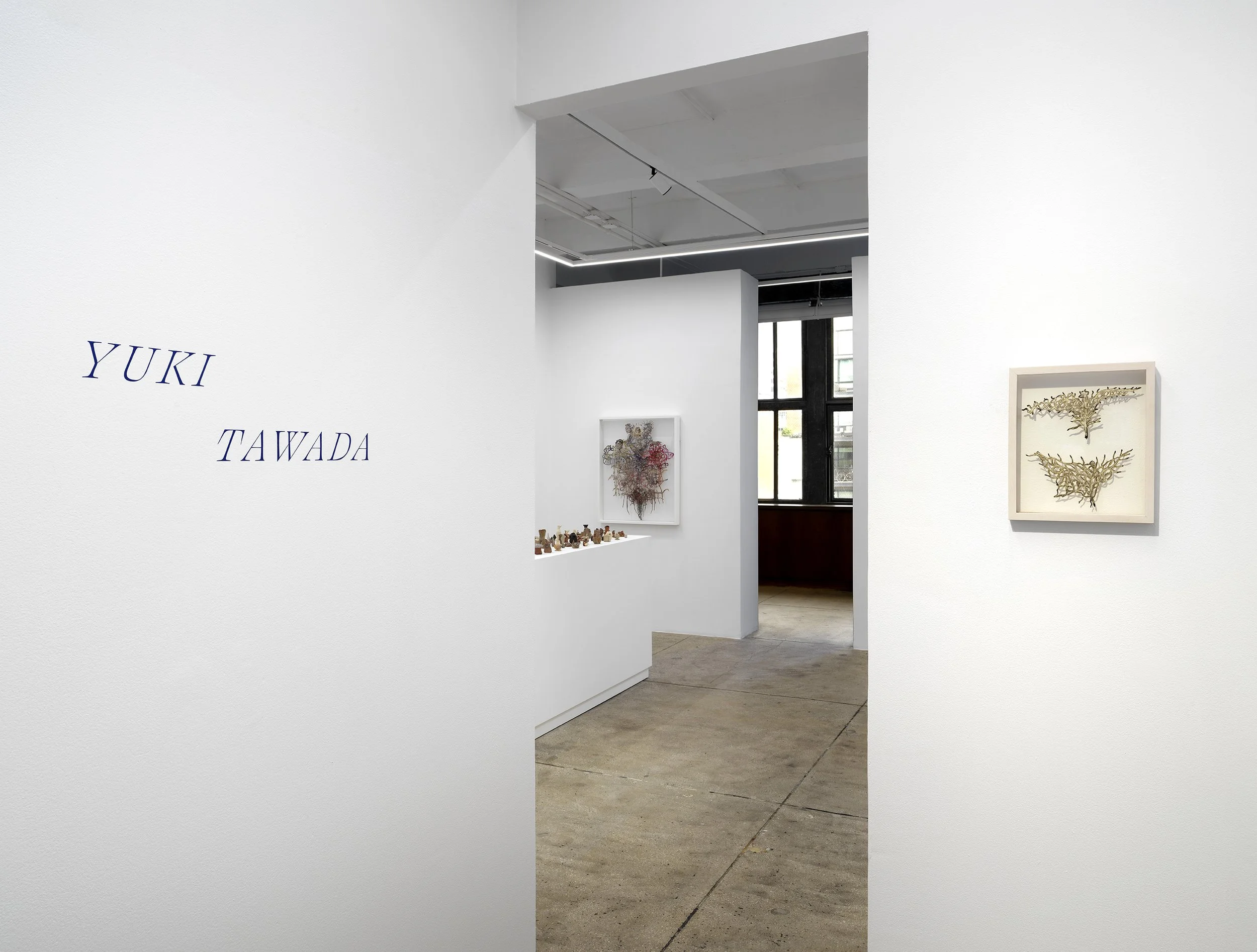
YUKI TAWADA
September 22–November 7, 2026
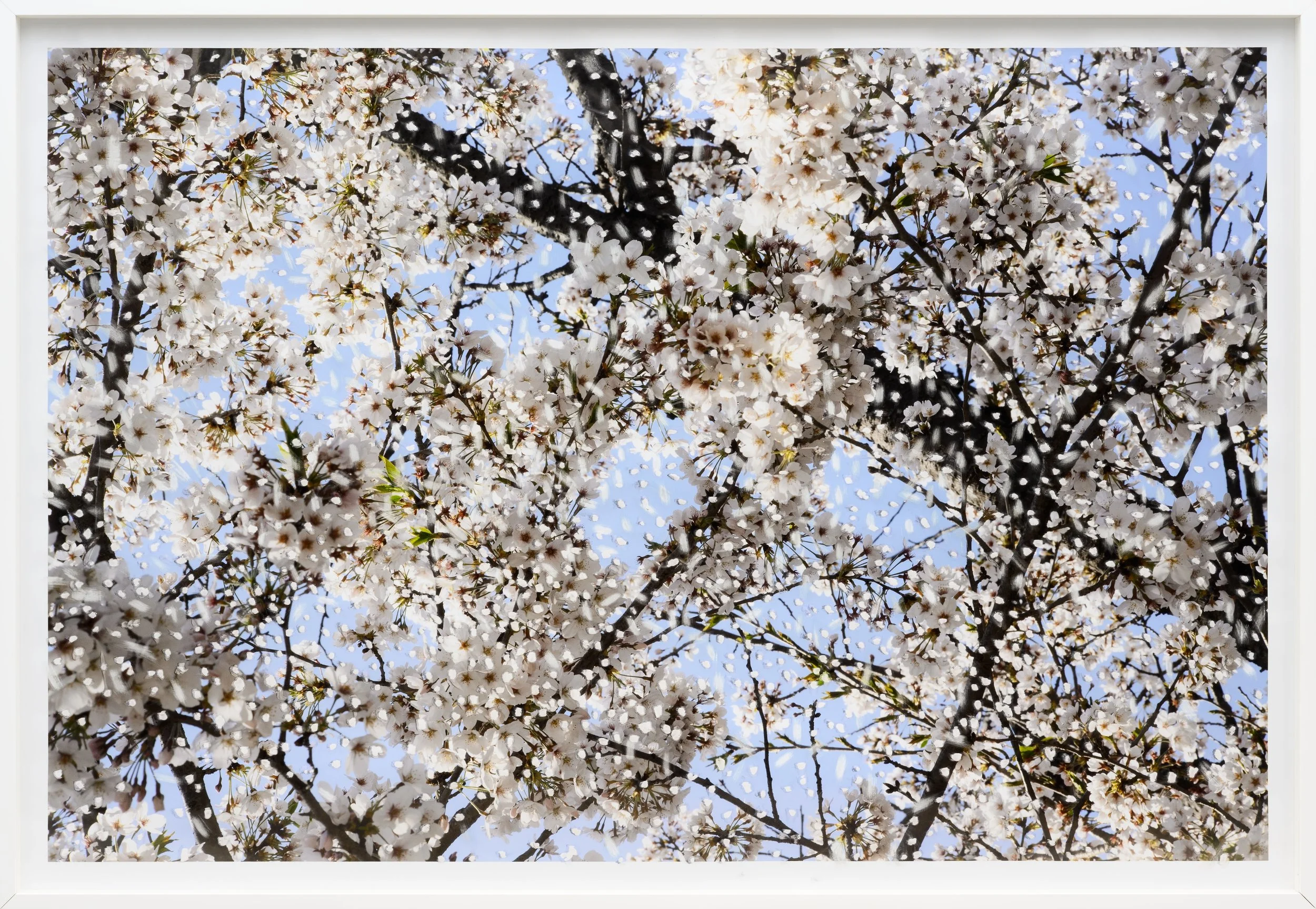
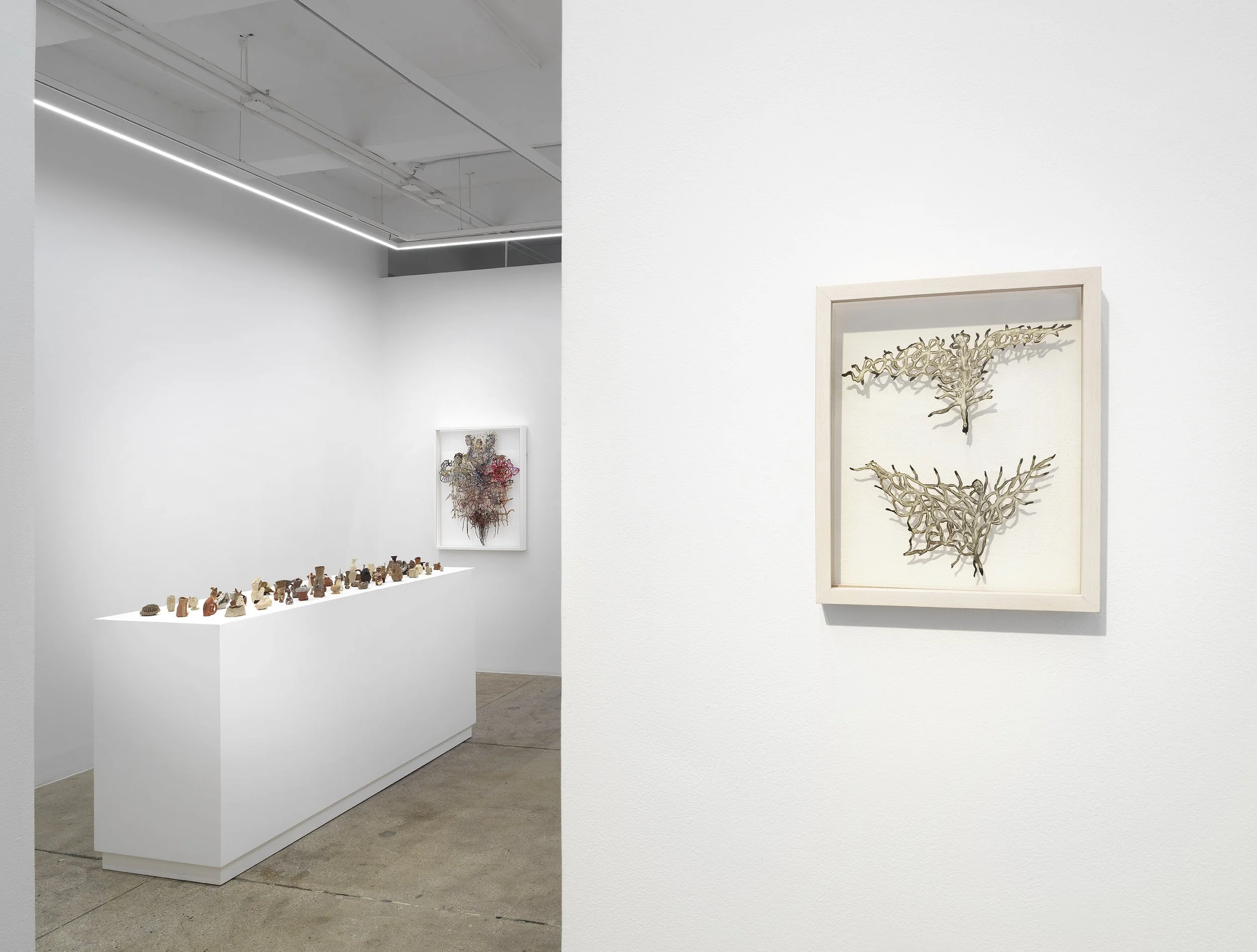
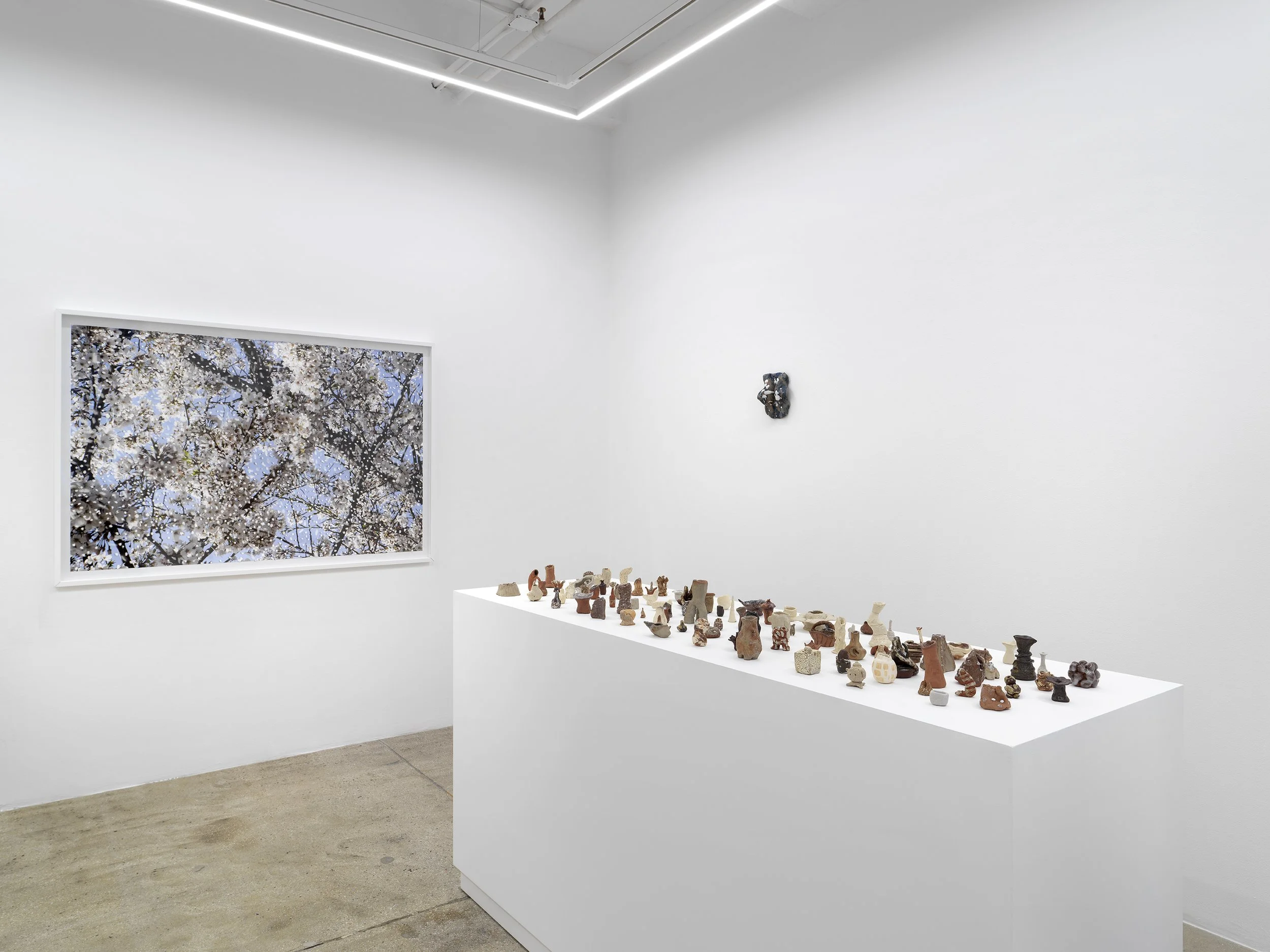
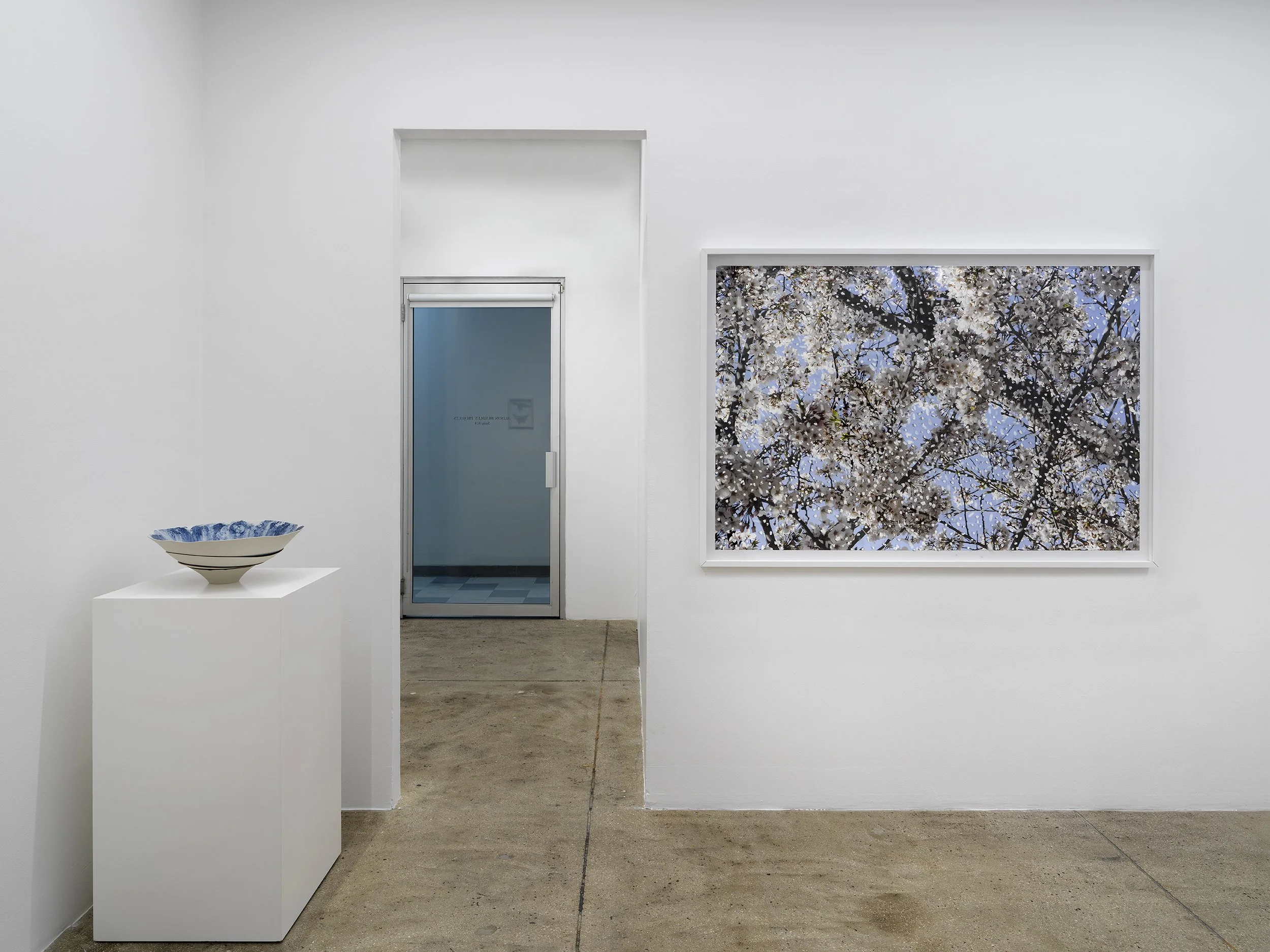
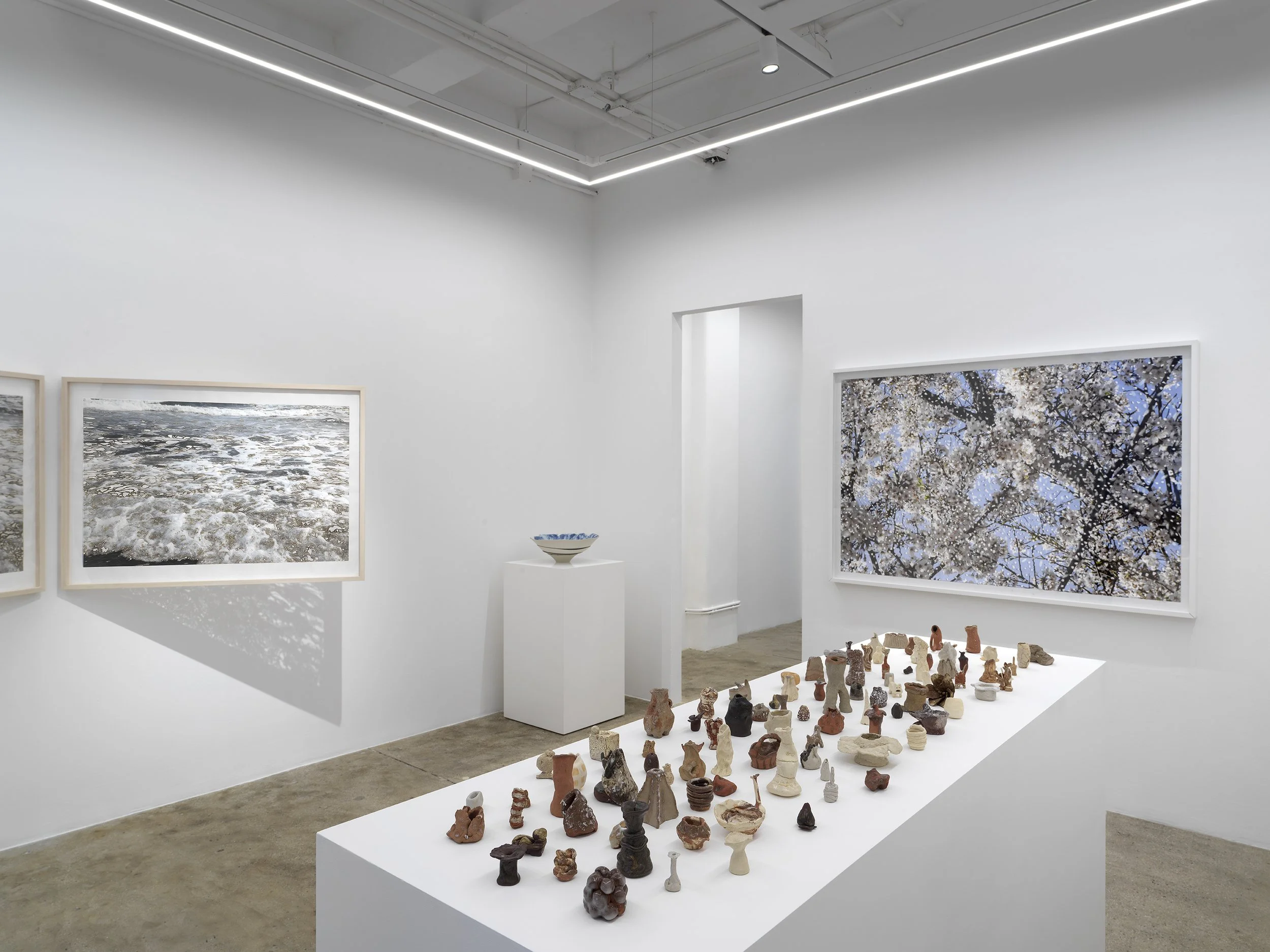
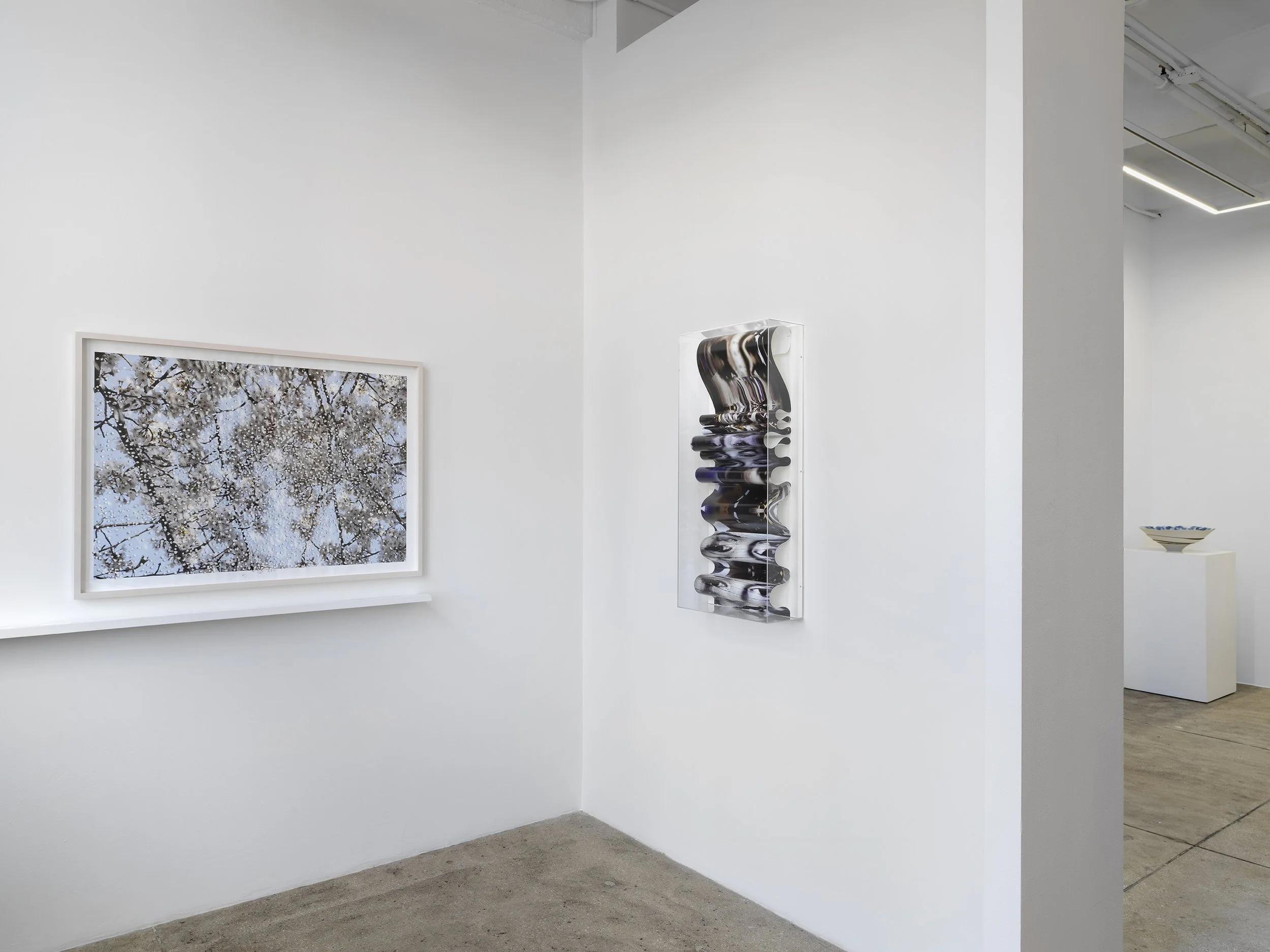
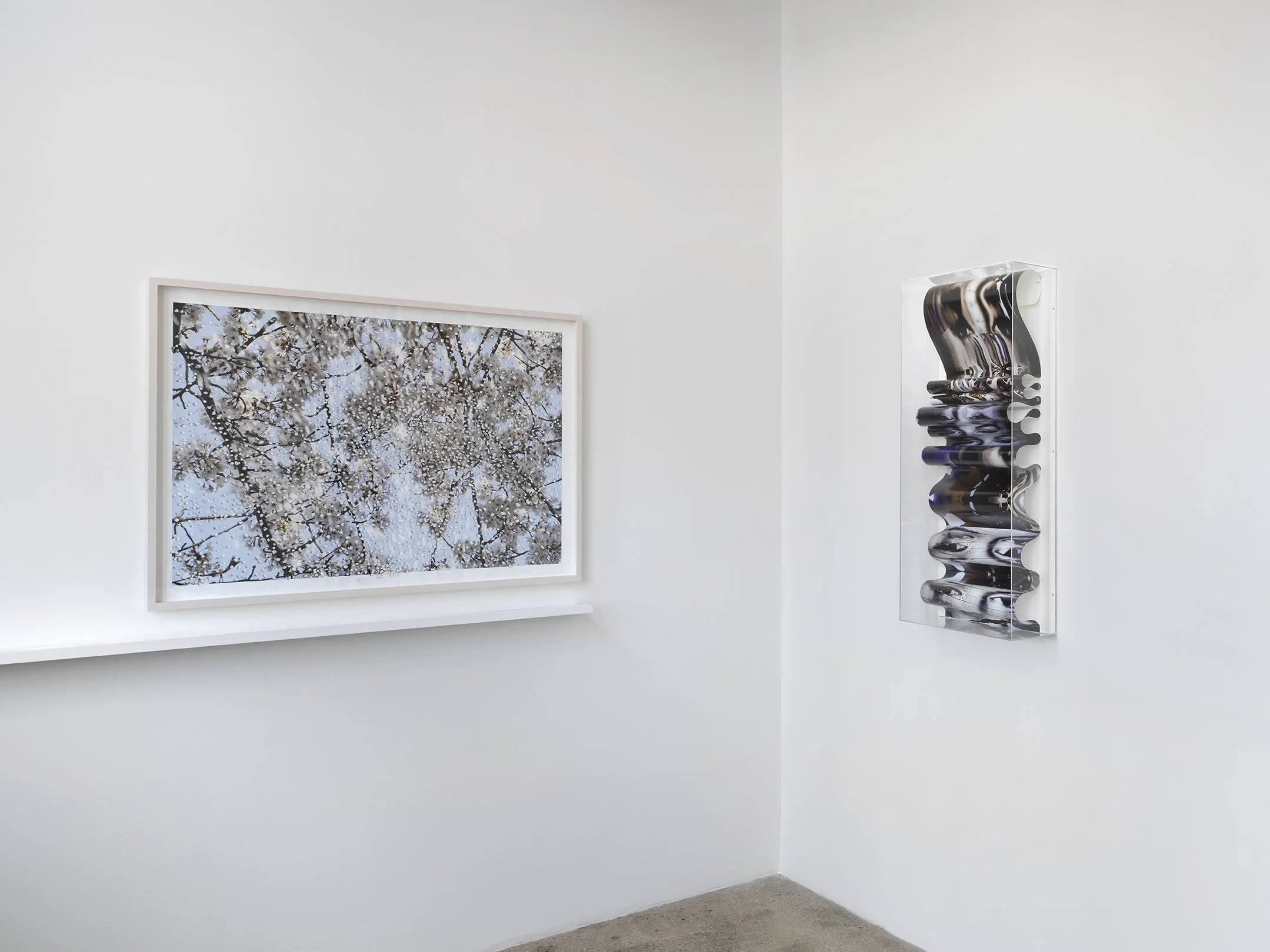
ID (cherry blossoms 1_2), 2022. Inkjet print scratched by router and sandpaper. YKT011,
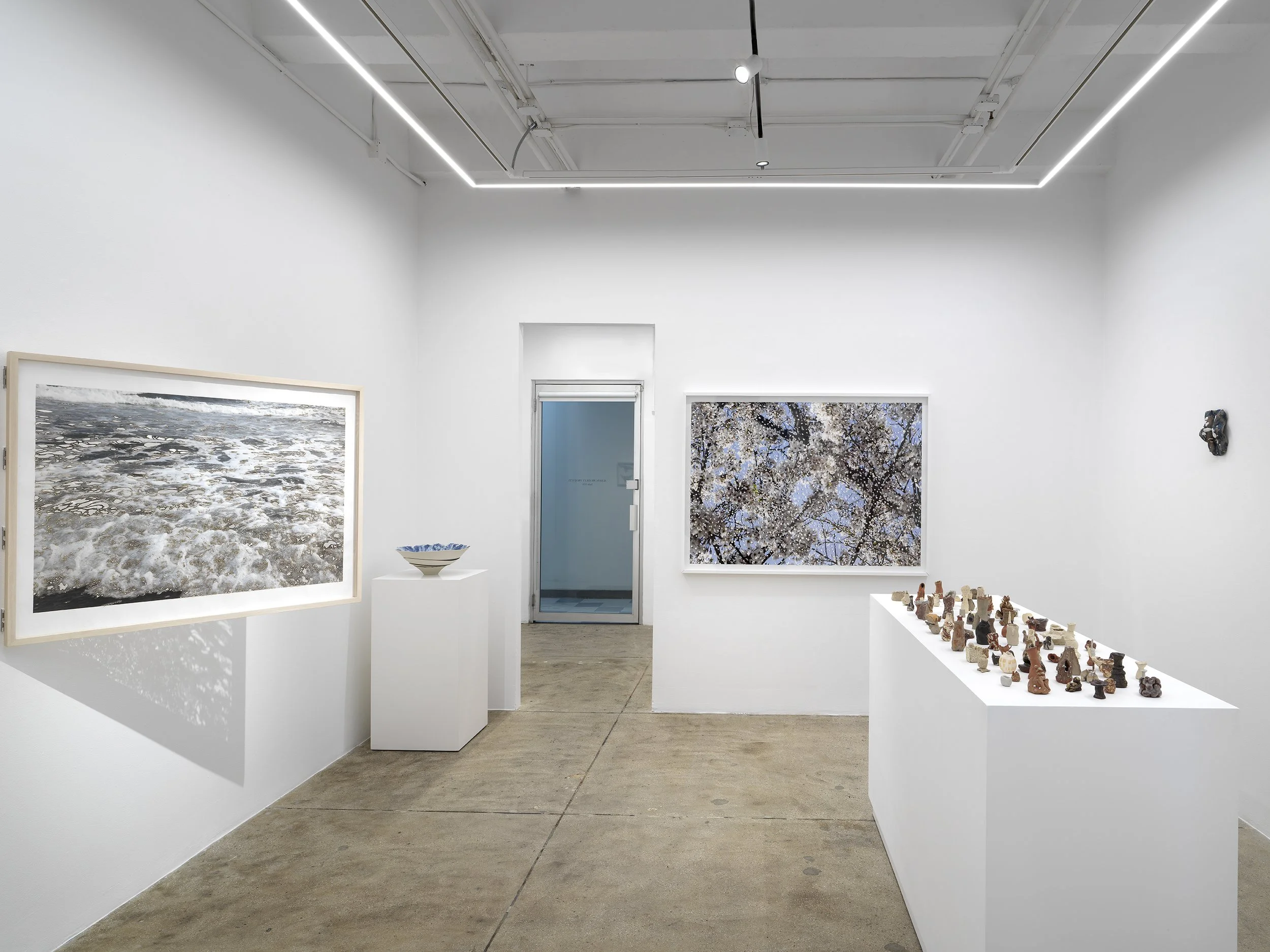
Alison Bradley Projects is pleased to present YUKI TAWADA, the artist’s first solo exhibition in the United States, featuring representative works from her oeuvre. The exhibition reveals Tawada’s sustained engagement with interrogating the myths of photographic objectivity while exploring the medium's potential. Through burning, piercing, cutting, transferring, and accumulating, Tawada challenges the photograph's assumed stability, treating the image as a material site where memory can be created, changed, released, and questioned.
The exhibition coincides with Tawada’s inclusion in I’m So Happy You Are Here: Japanese Women Photographers from the 1950s to Now, a major retrospective of Japanese photography that gathers over 200 works by women artists from postwar Japan to today, on view this fall at the International Center of Photography.
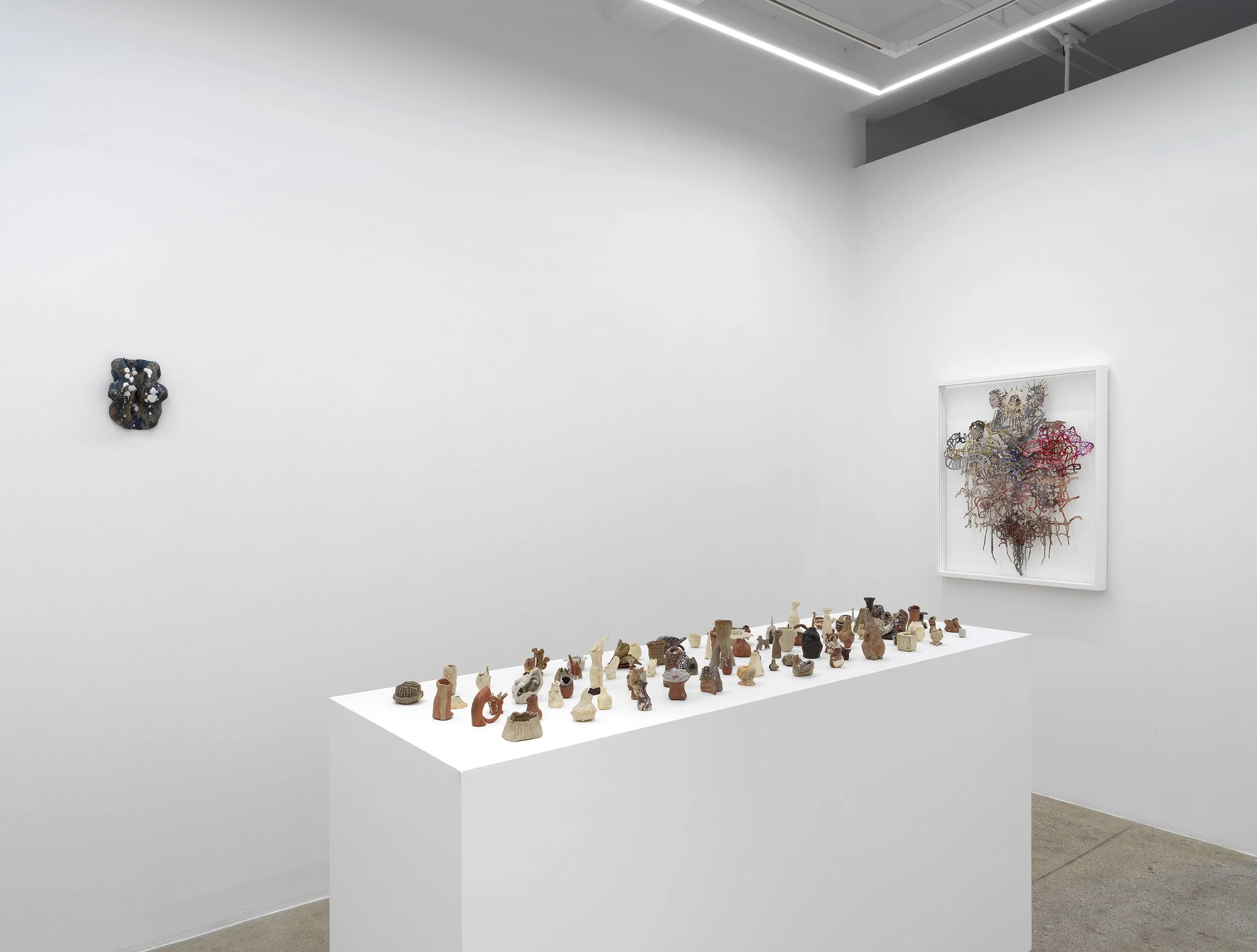
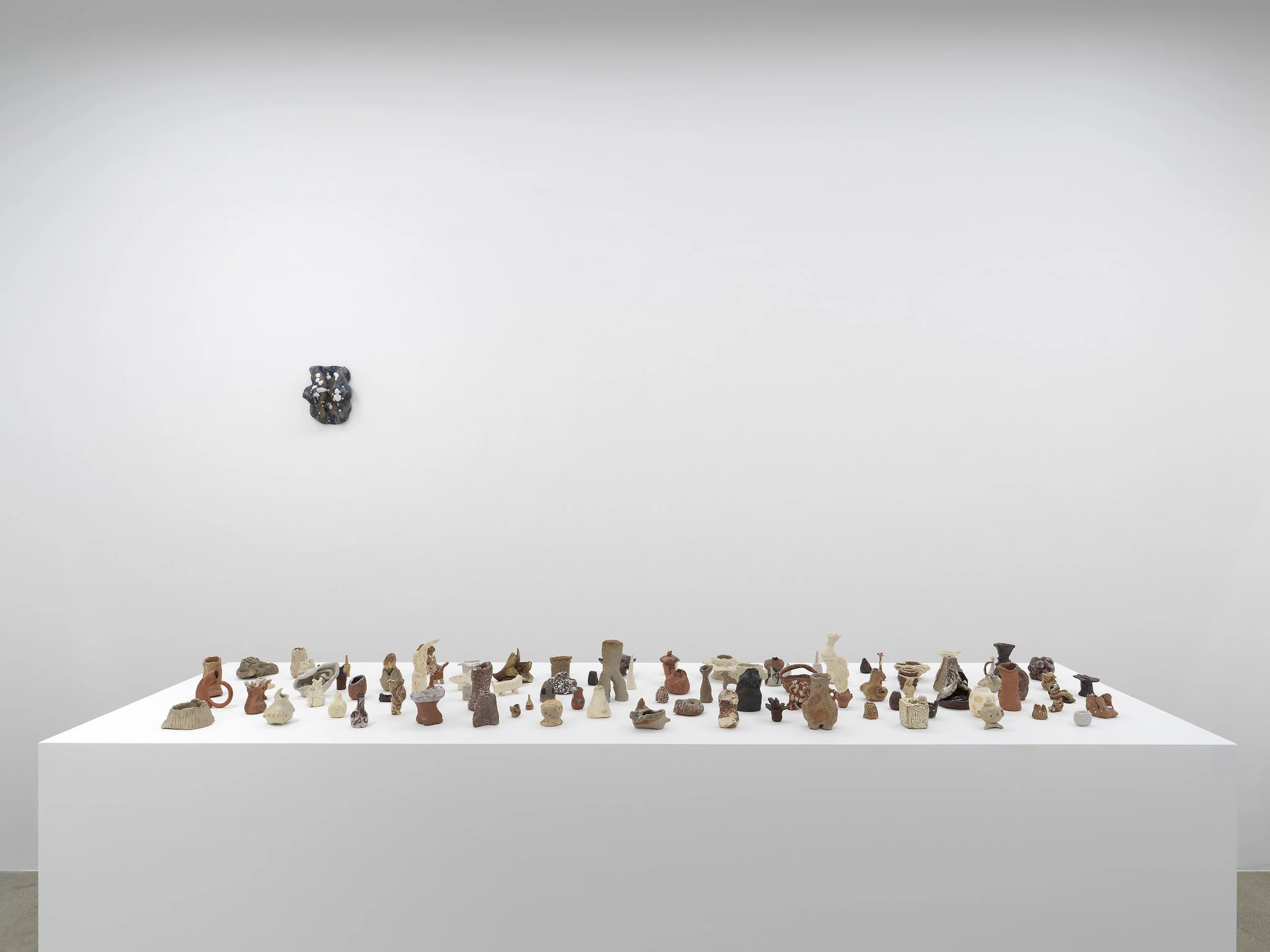
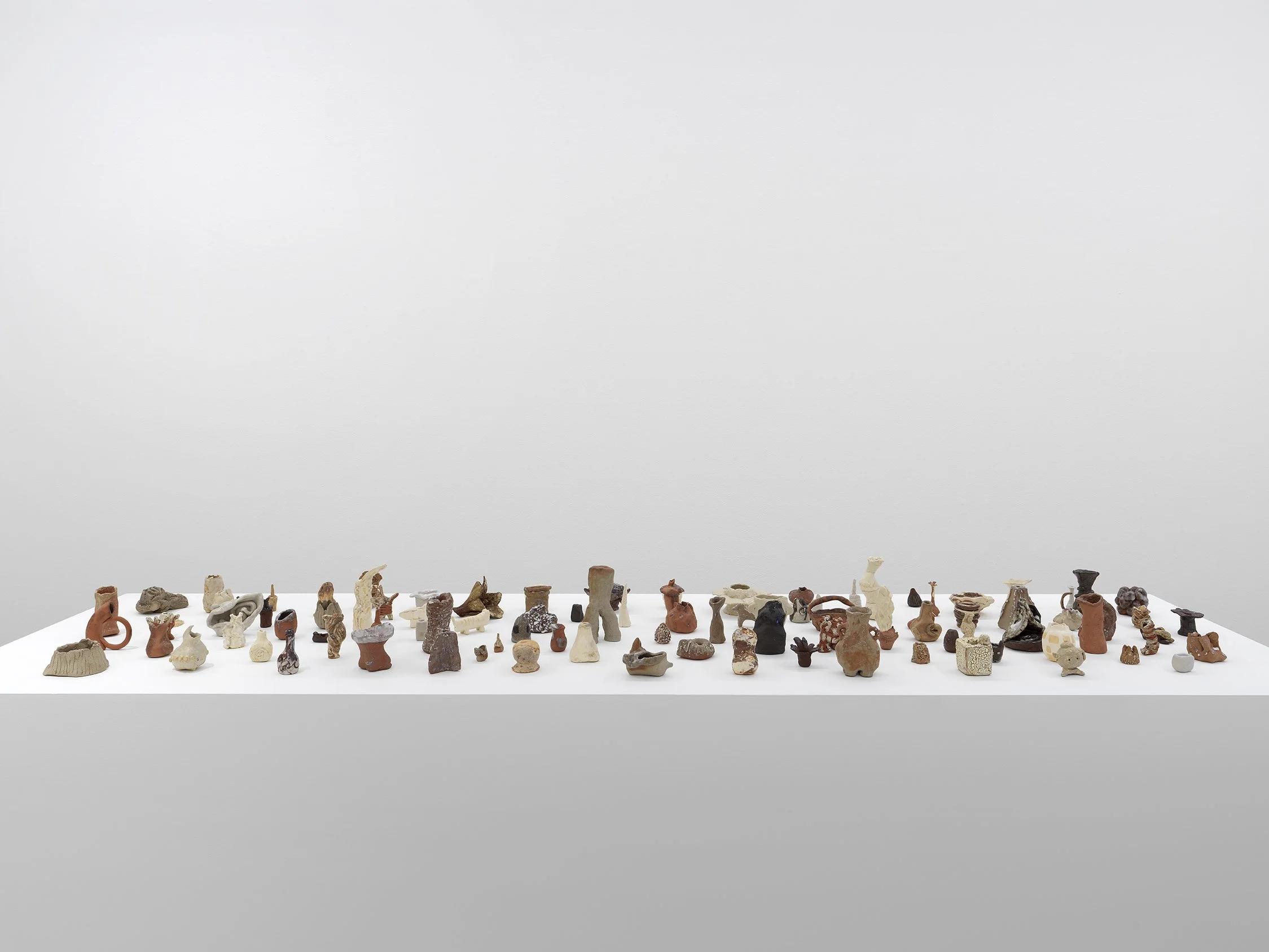
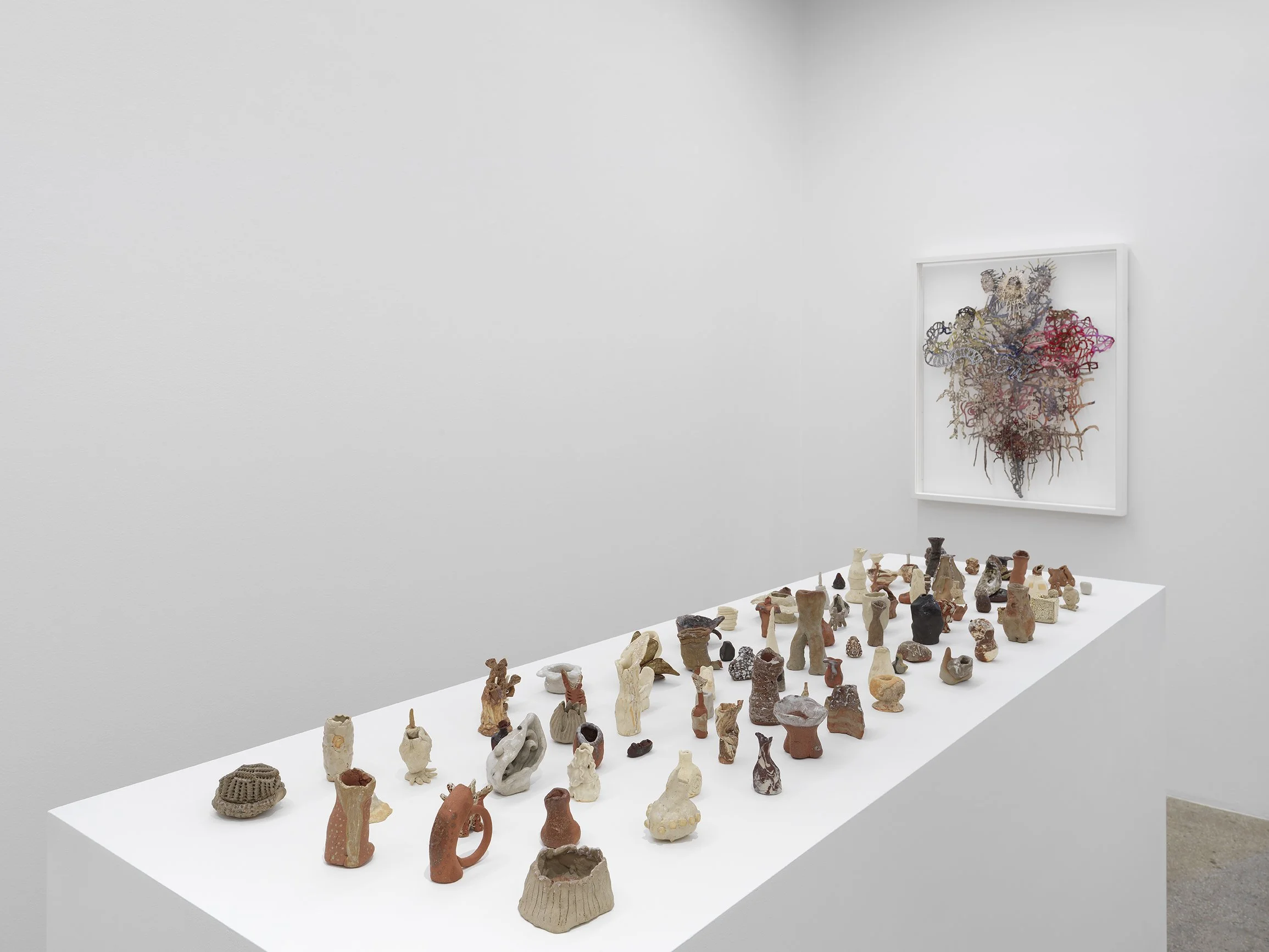
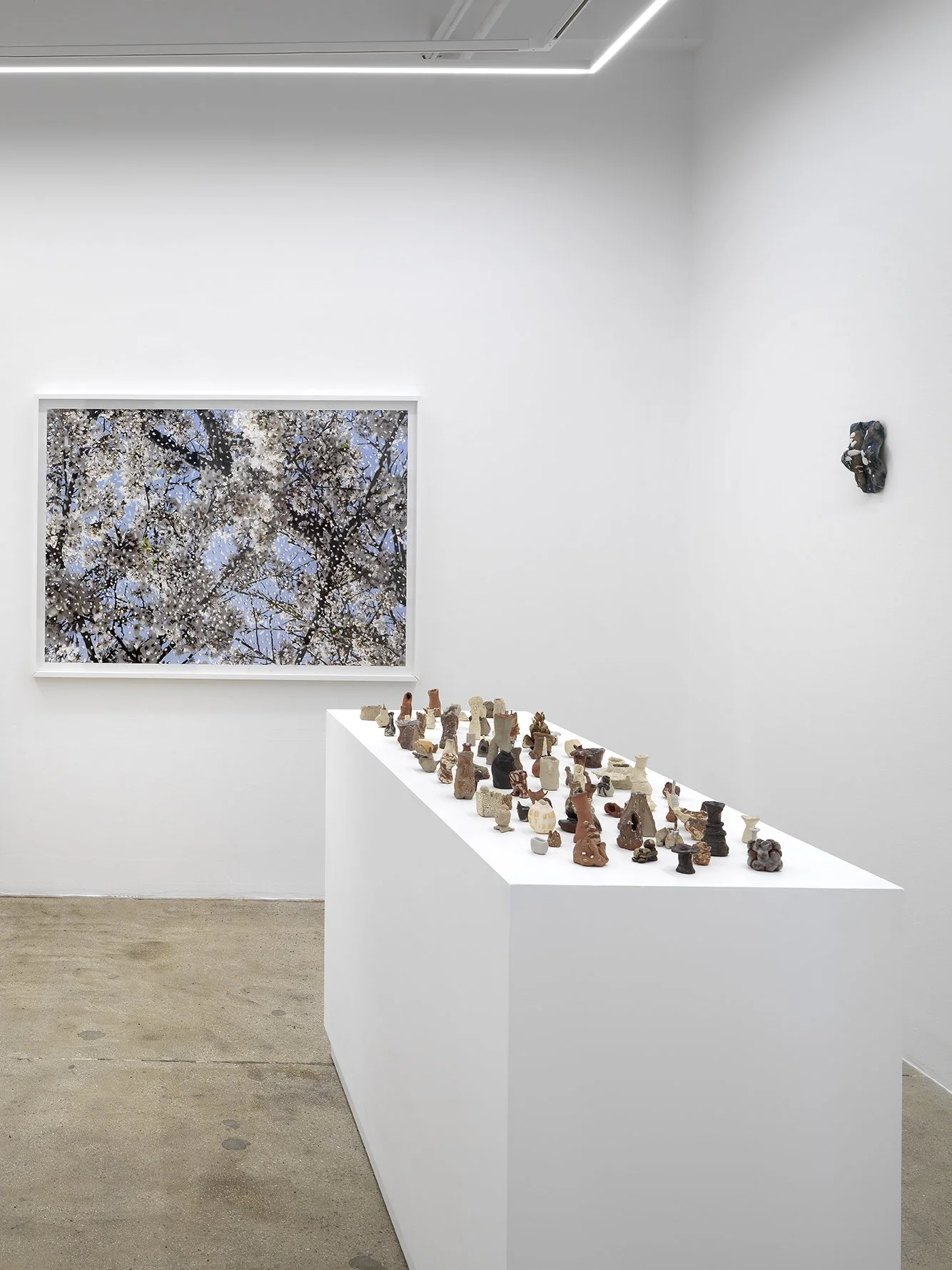
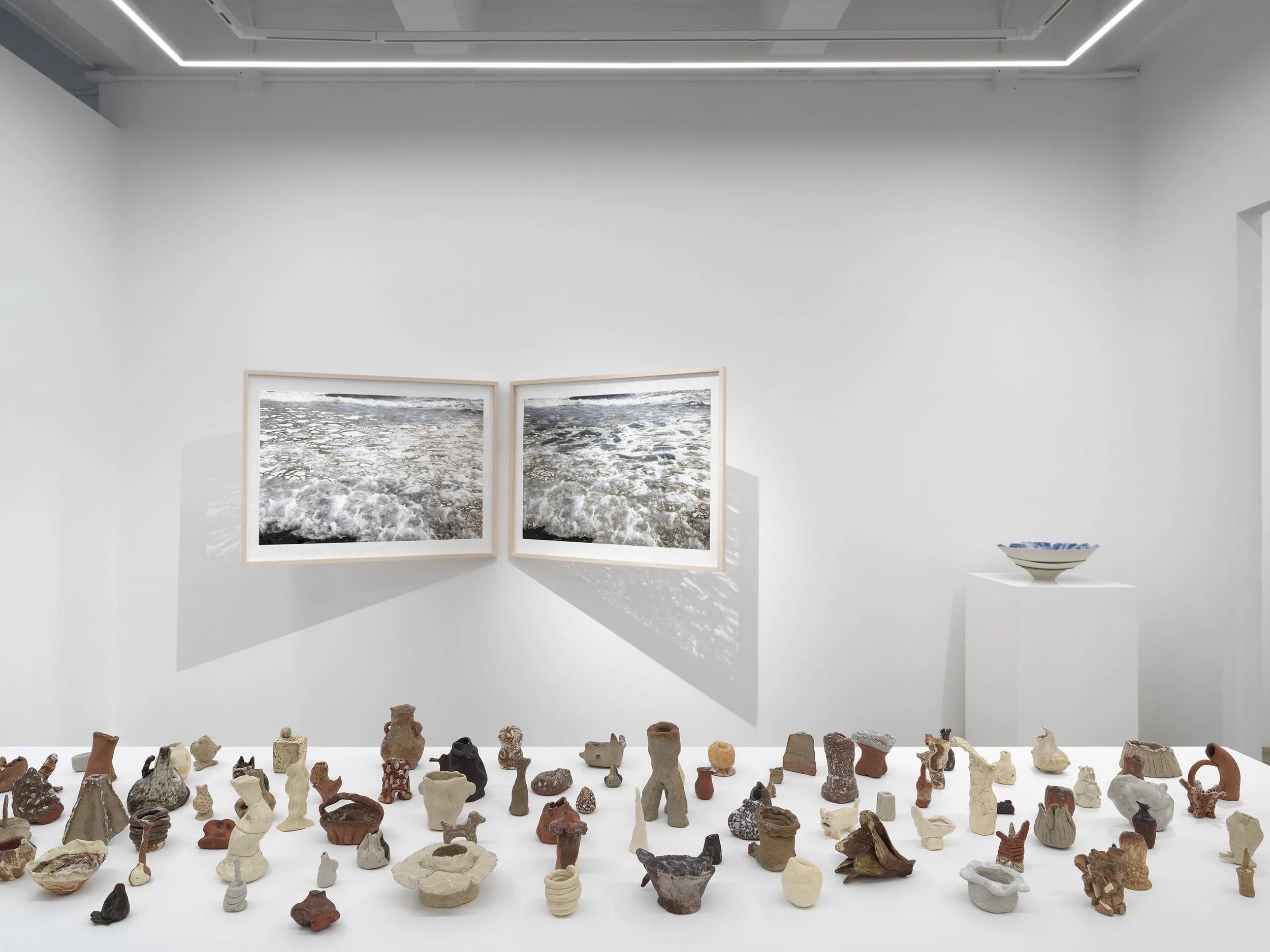
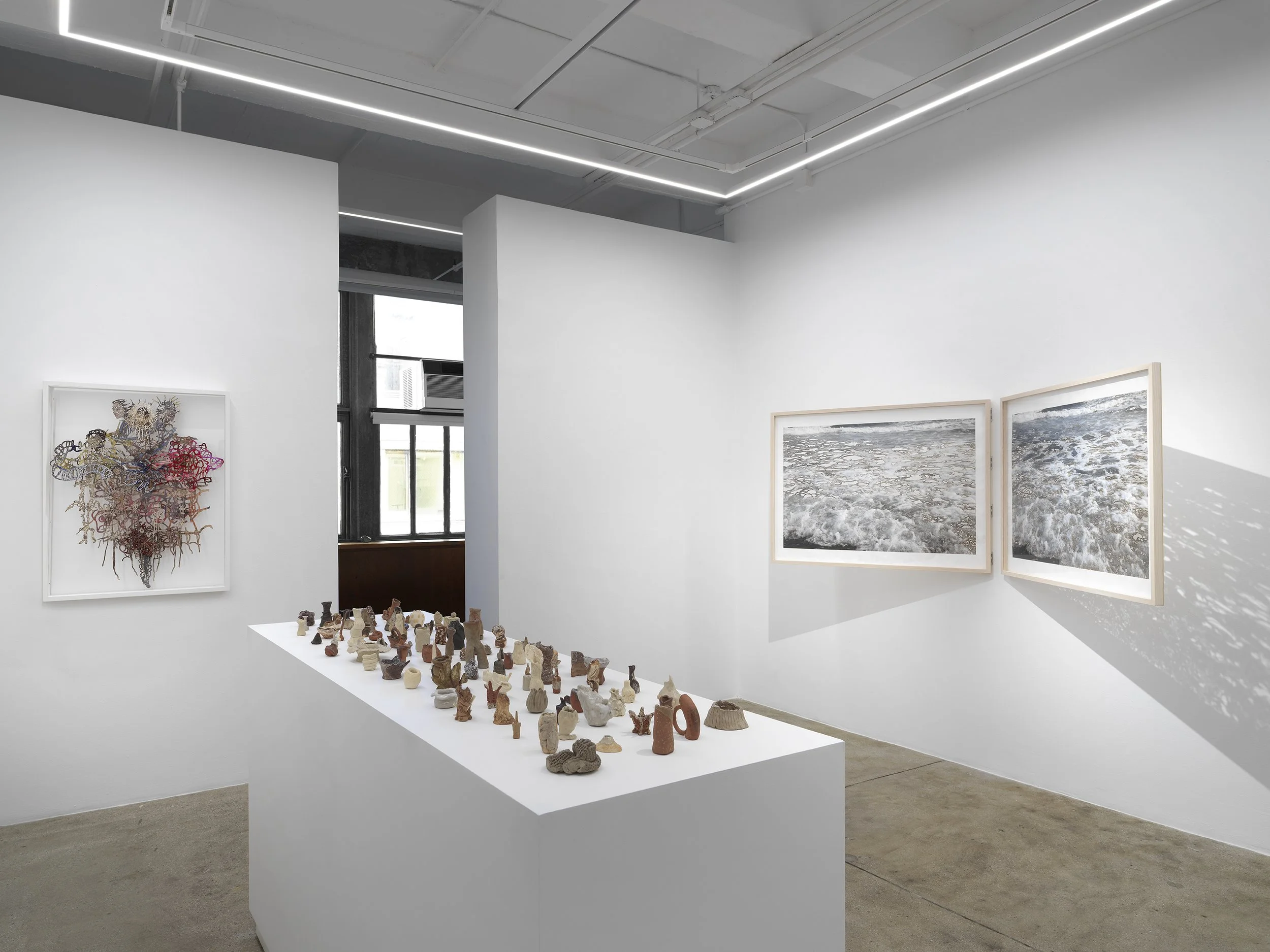
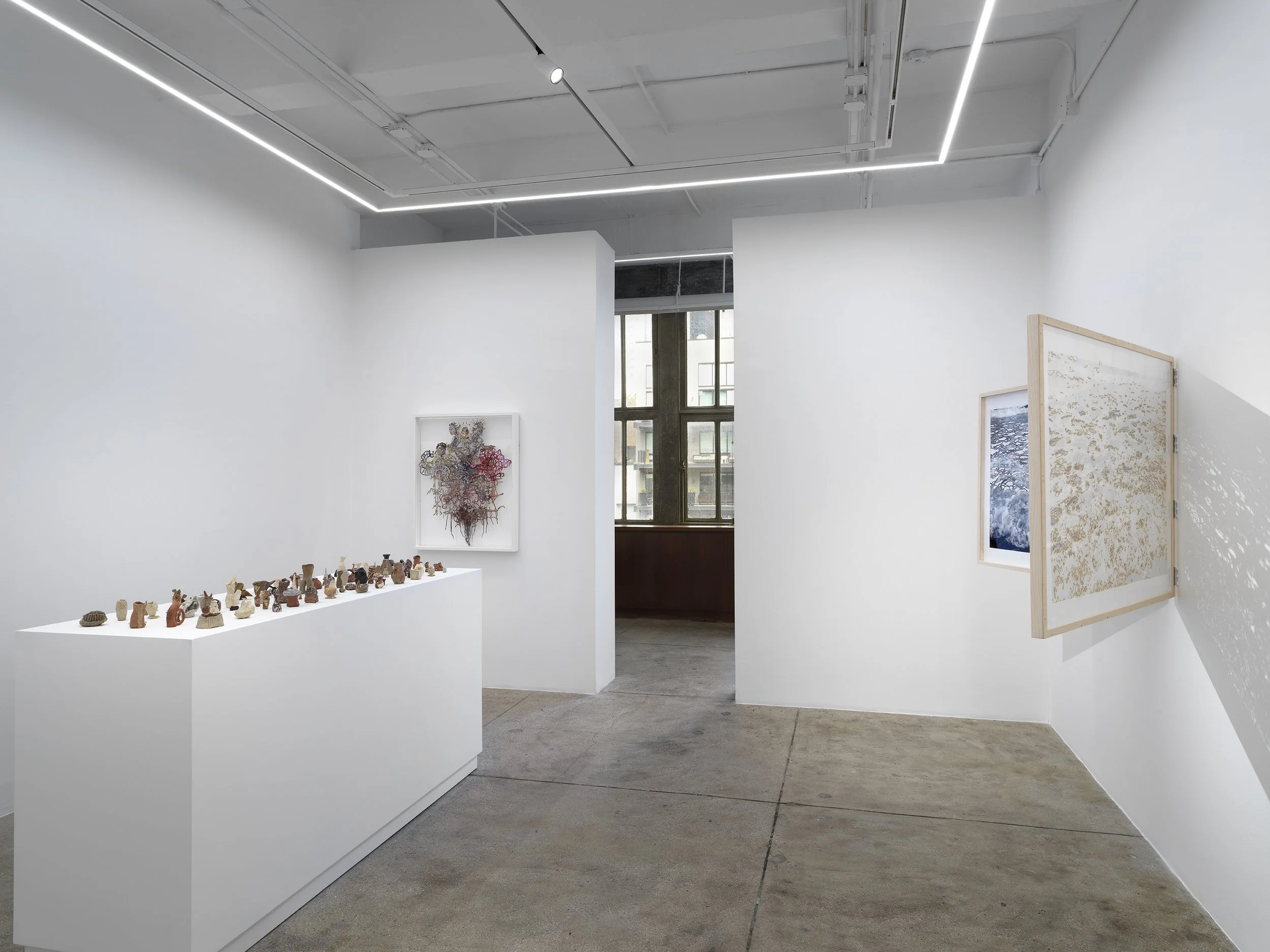
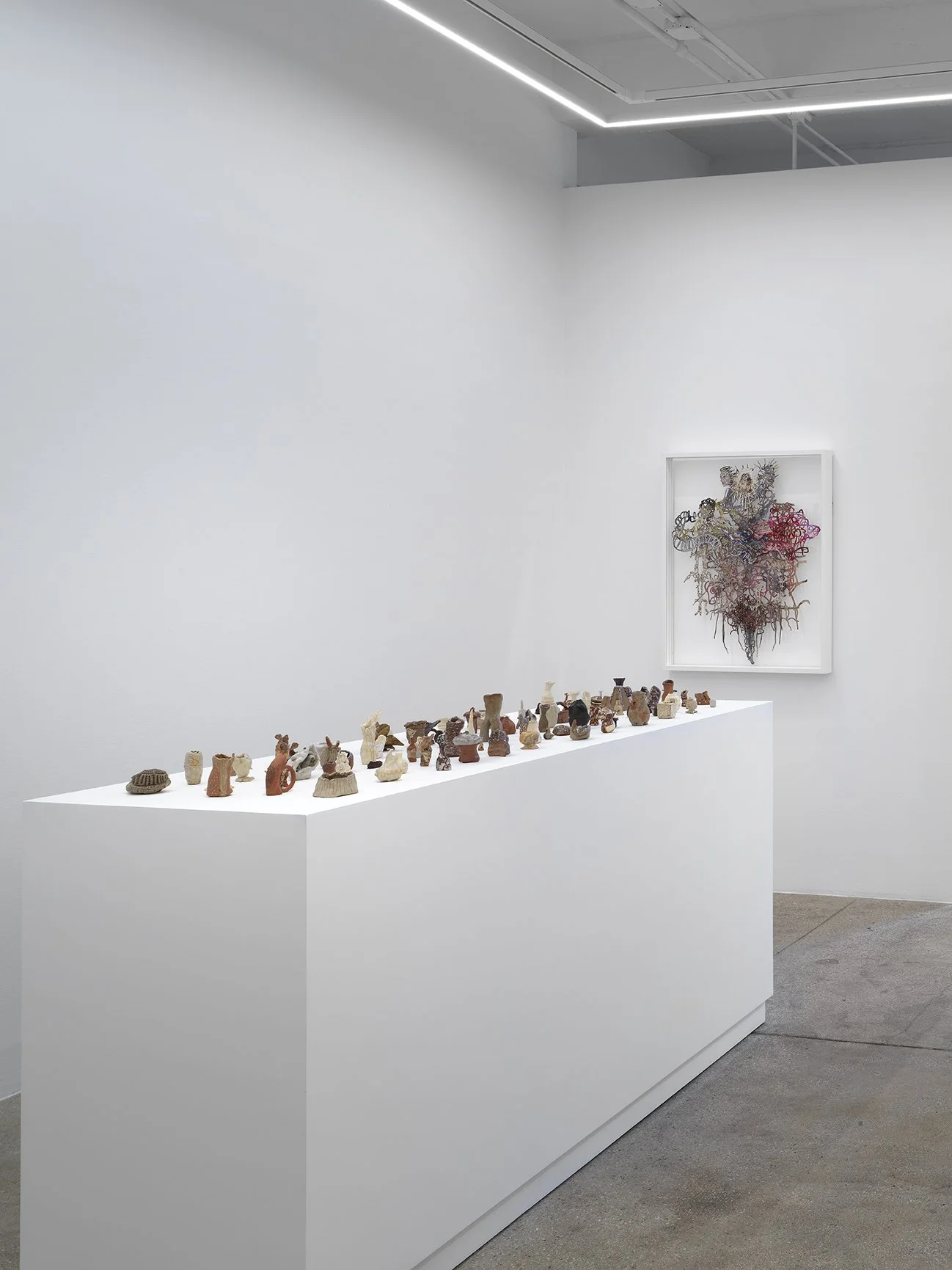
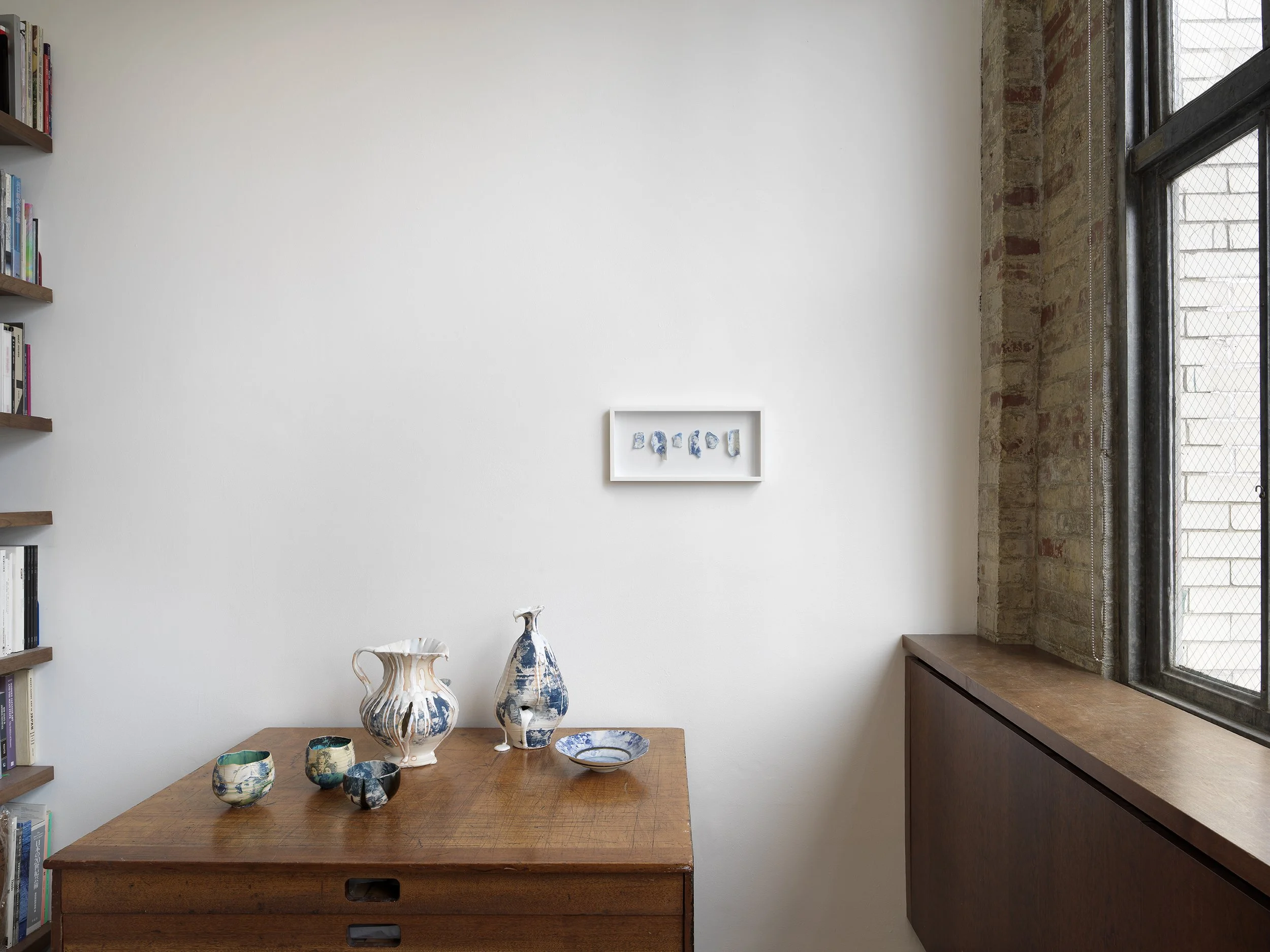
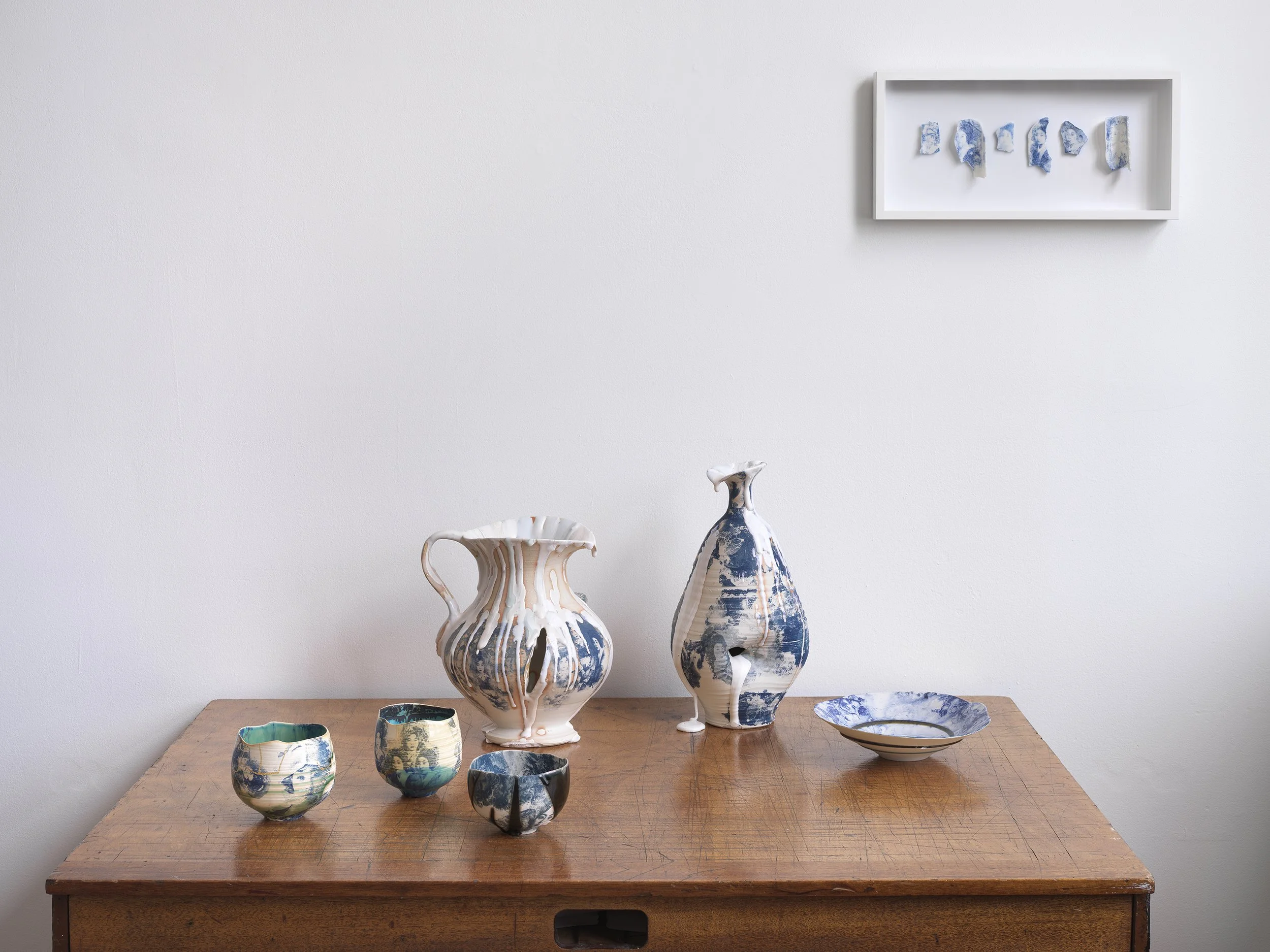
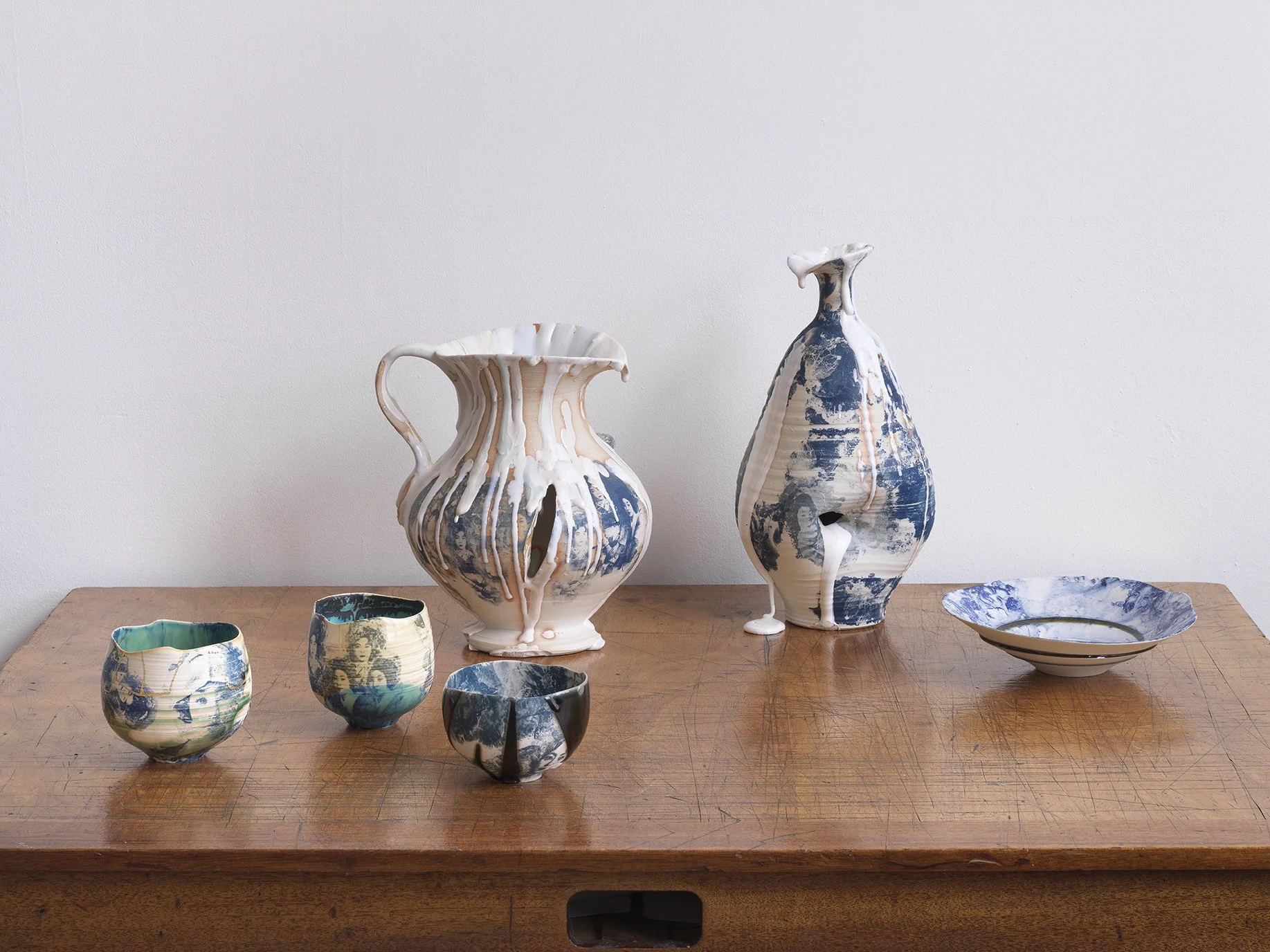
A highlight of the exhibition is Lachrymatory (2021-ongoing), a participatory project with ceramicist Fuku Fukumoto, that explores collective and individual memory. Participants are asked to bring family photographs associated with memories they wish to relinquish or preserve. The photographs are then burned, and the resulting ashes are mixed into the ceramic glaze used to coat ceramic vessels they’ve built, conjuring the forms of ancient lachrymatory, or ‘tear-catchers’. The photograph passes from image to ash to object: its representational content disappearing while its material and spirit remain; what begins as an individual image is consequently absorbed and transformed into a collective ritual of remembrance and release.
Rather than treating photography as a means of capturing, she subjects the image to processes that force its material vulnerability visible. In her ID(cherry blossoms) series, the analog photograph is punctured and scraped, leaving behind residues of the artist’s hand; absence itself begins to register as light; images acquire volume and move into space. These acts are not conceived as acts of destruction, but as methods of inquiry, in which time arrives like a quiet beast, slowly revealing itself—layer by layer—leaving behind bruised memories.
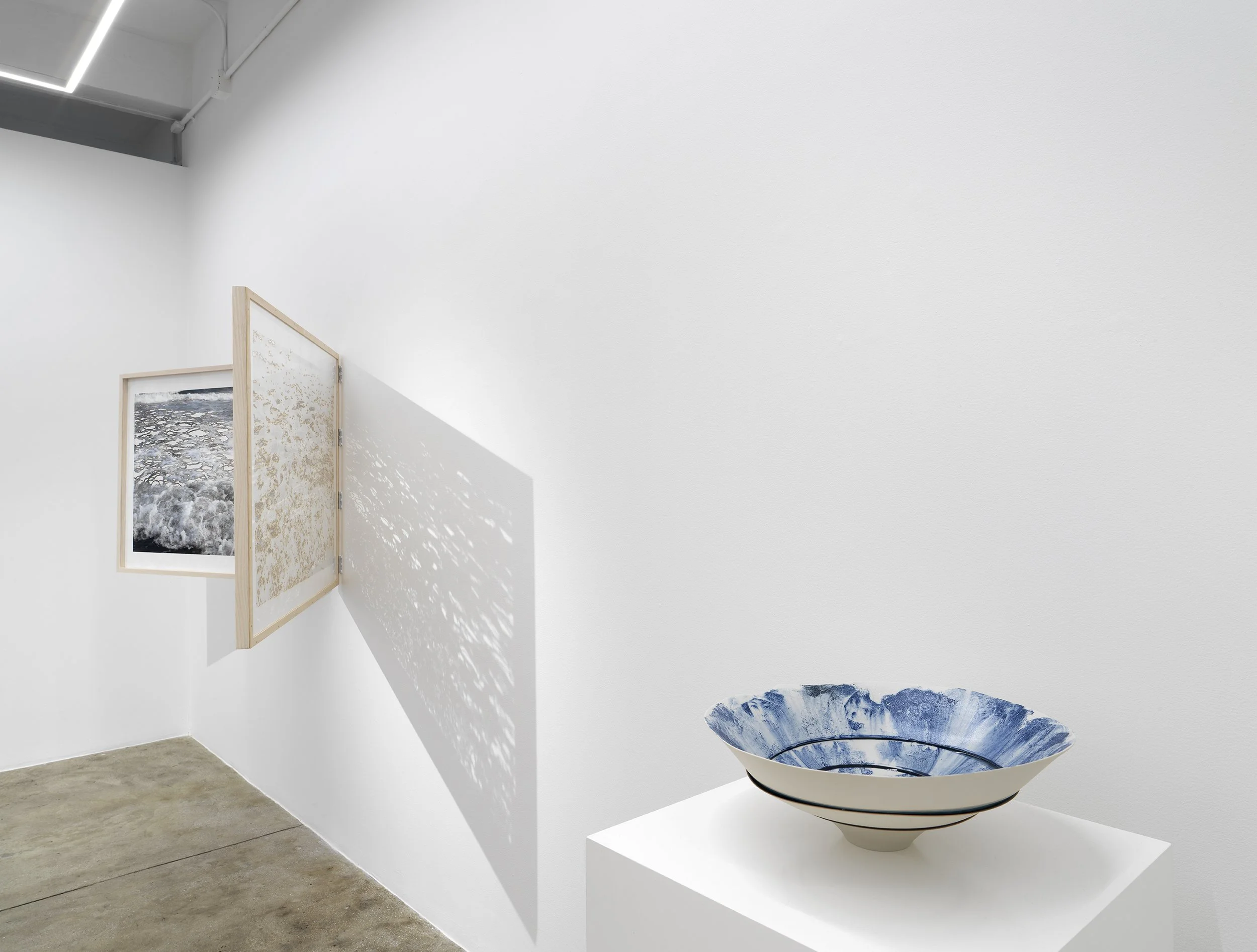
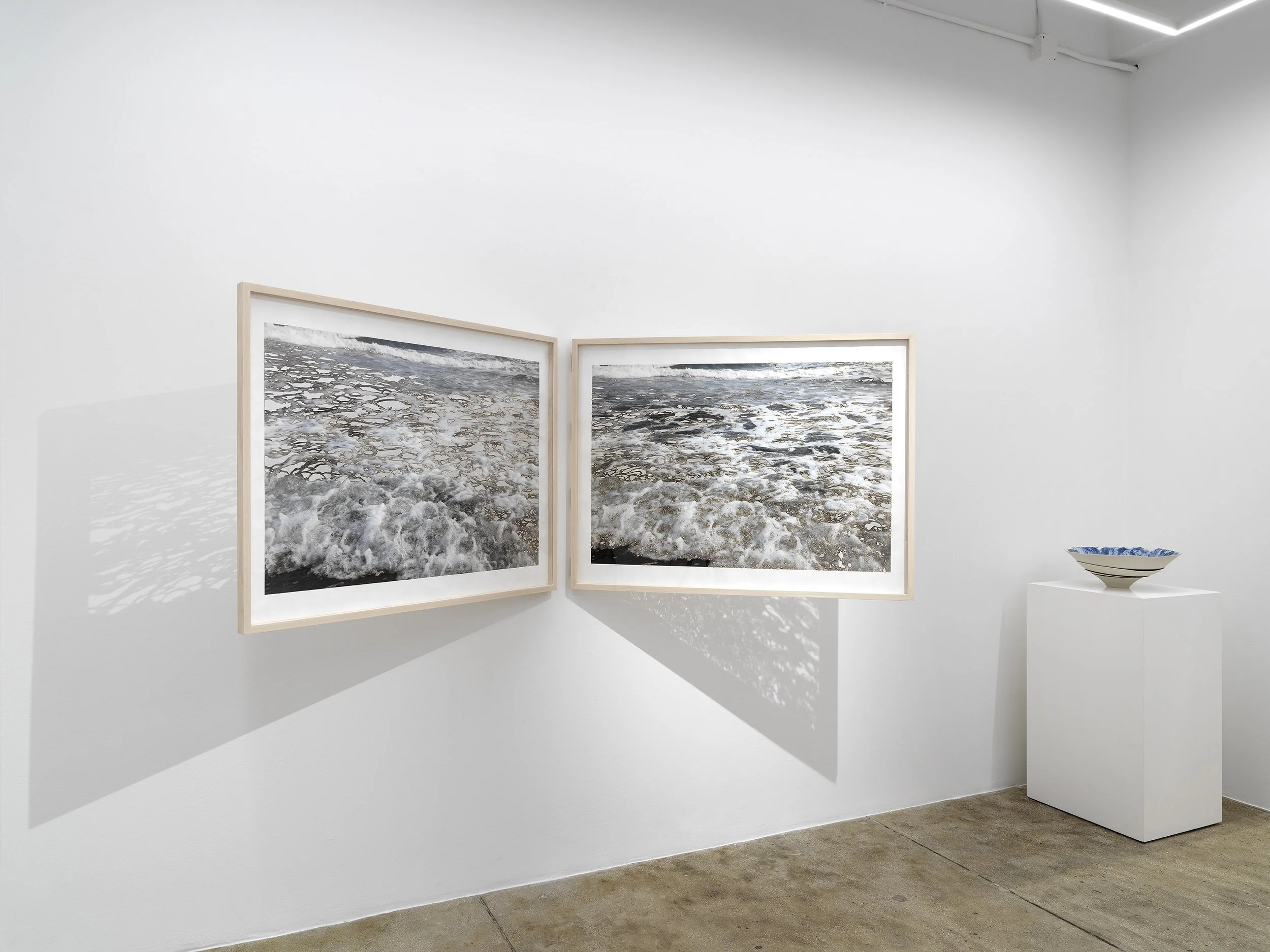
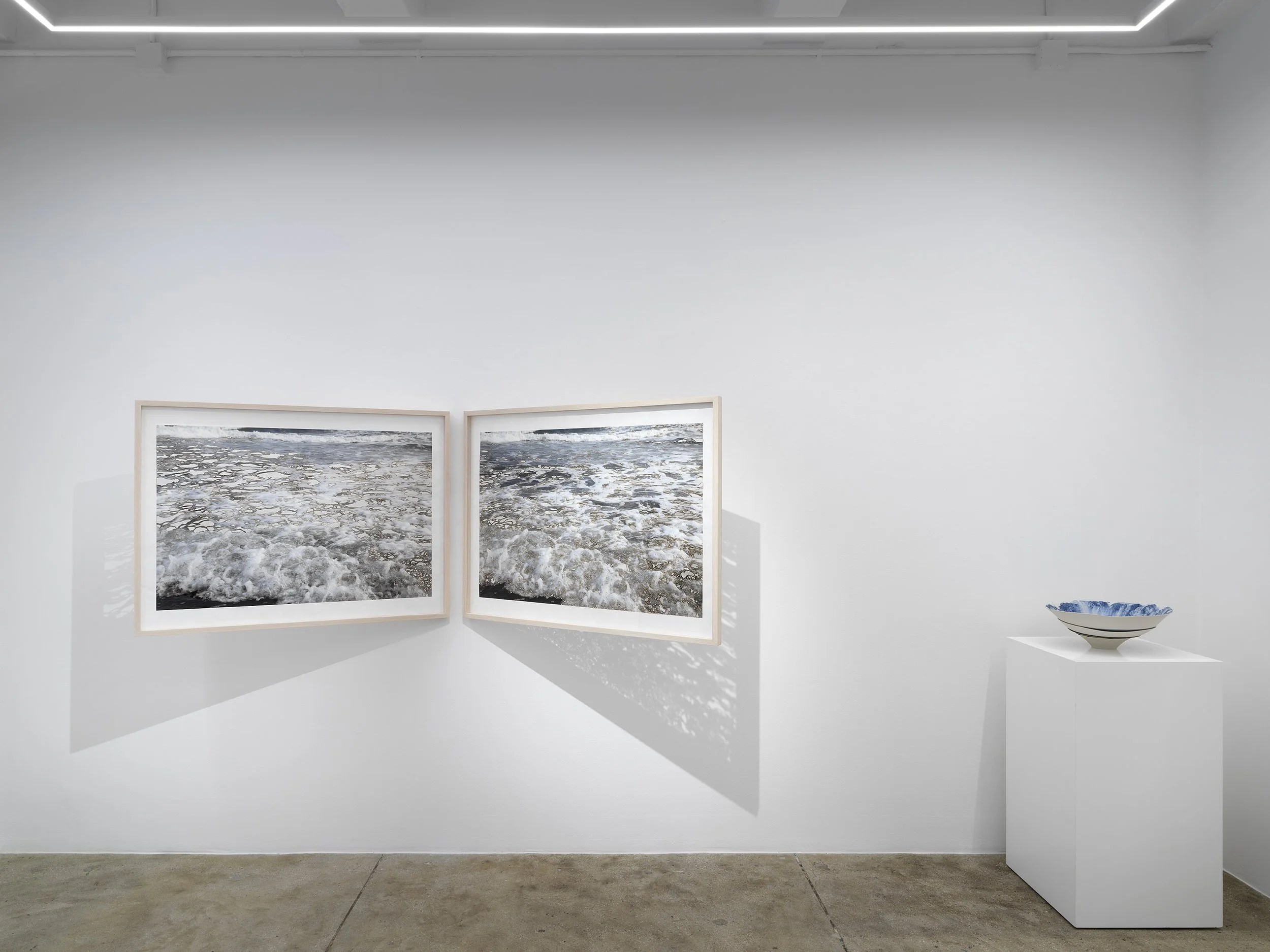
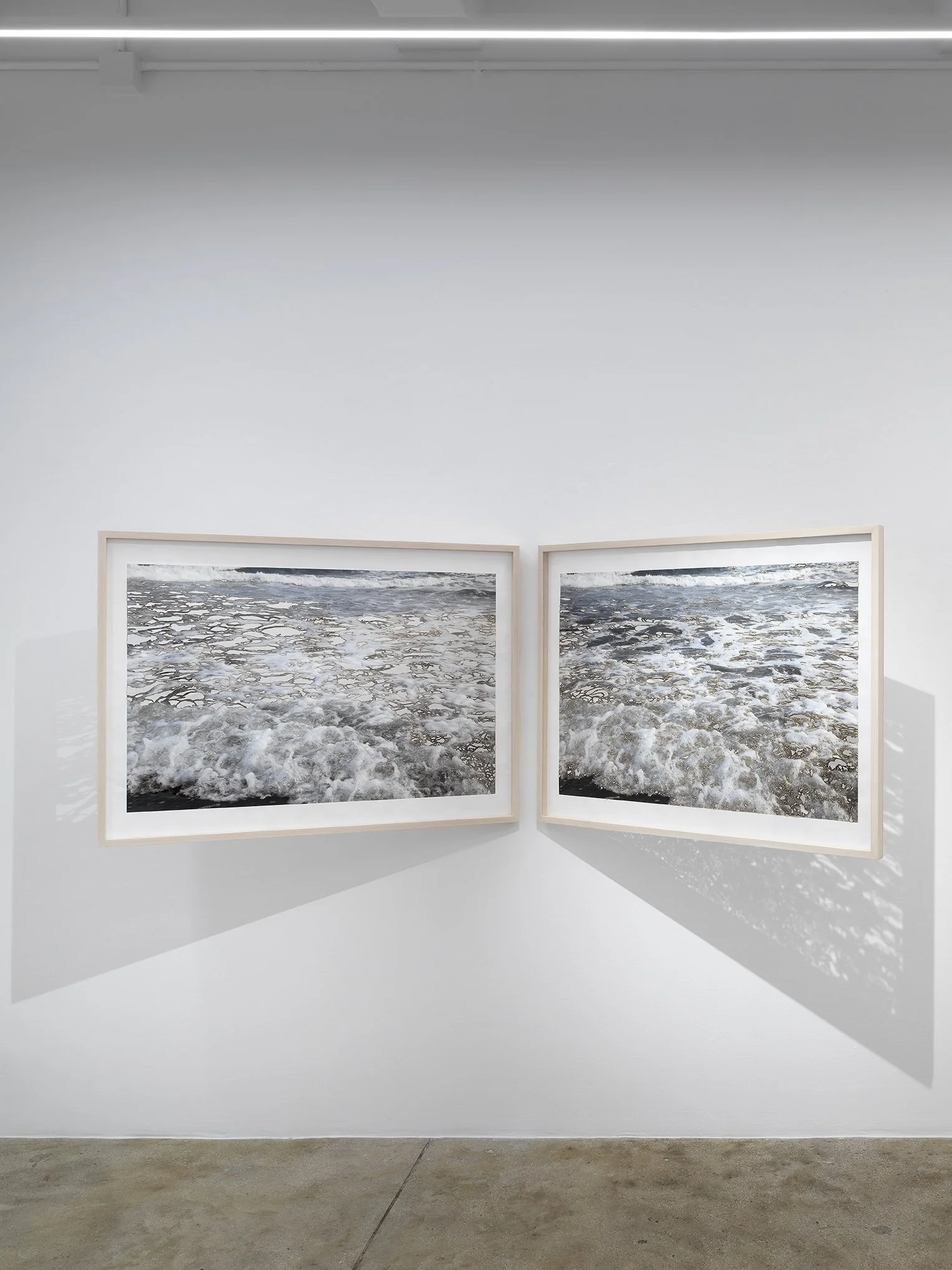
One of her most seminal series is I am in You (2015–ongoing), a body of work developed in collaboration with her mother in response to the 2011 Great East Japan Earthquake. Using an electric light to burn directly into identical photographic prints of the ocean, Tawada and her mother partake in a relational dance, using the photograph as the tool with which to communicate. Fire simultaneously obscures and produces the image, translating an act of erasure into a physical record of its own making.
Roland Barthes famously associates photography with death. Tawada’s work dismantles this idea of opacity. Through her interventions, the photograph becomes neither a vehicle for preserving the past nor a stable representation of it; it becomes a mutable, embodied form open to transmission. As she has stated, photography is “not a finished image but an open medium”—one concerned not simply with recording what exists, but with engaging what is still becoming.